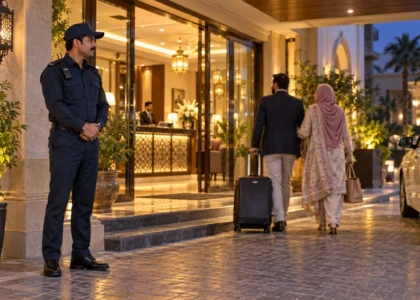
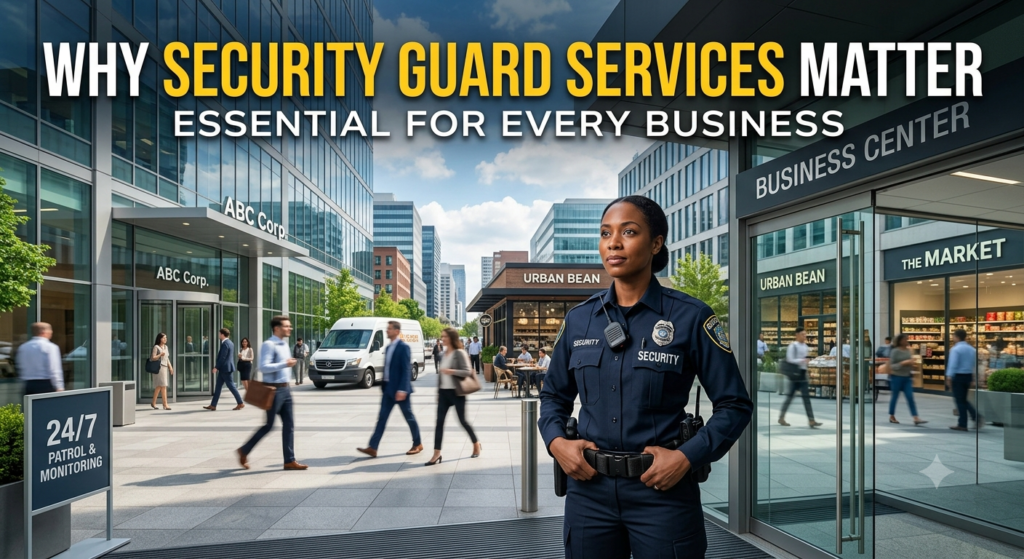
To understand the main concept of article first think two identical shops on the same street. One has a guard standing near the entrance, checking who comes and goes. The other has nobody watching at all. Which one do you think a thief would try first?
That simple scenario explains most of what security guard services actually do. They shift the odds in a business’s favor before trouble ever shows up.
Bulwark Security & Management Pakistan has seen this play out across offices, warehouses, and retail spaces throughout Lahore, and the pattern rarely changes: properties with trained guards face fewer incidents than those without.
Here’s what makes that presence so valuable.
It Changes How Criminals Think
Most theft and break-ins aren’t planned by masterminds. They’re crimes of opportunity, carried out by people looking for the easiest possible target. A guarded property simply doesn’t look easy. Someone scanning entrances and watching for unusual behavior is often enough to send a would-be intruder looking elsewhere.
This kind of deterrence rarely shows up on a balance sheet, which is part of why it gets overlooked. Nobody writes a report about the break-in that never happened. But ask any property manager who’s switched from an unguarded site to a guarded one, and they’ll usually describe the same shift: fewer late-night disturbances, fewer reports of tampered locks or missing items, and a general sense that the property is being taken seriously by everyone who passes it.
People Behave Differently When They Feel Watched, and That’s a Good Thing
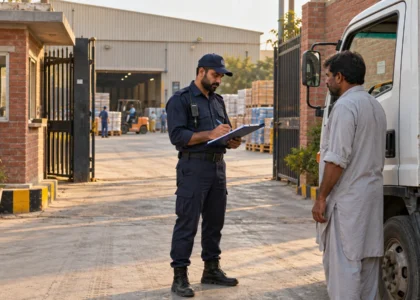
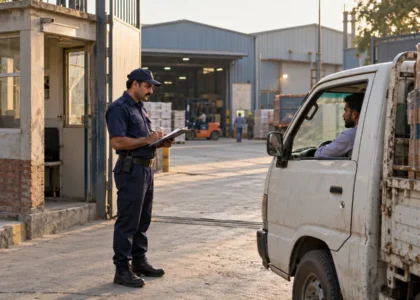
Employees relax around a guard because they know someone’s looking out for them. Customers linger longer in stores that feel safe. Even delivery drivers and contractors tend to follow protocol more carefully when they know they’re being checked in and monitored. Safety, it turns out, isn’t just about stopping bad actors. It also shapes how everyone else behaves on the property.
There’s a quieter side to this too. Staff turnover often drops in workplaces where people feel physically secure, especially in roles that involve late shifts, cash handling, or working alone in isolated areas of a building. Hiring guards signals to employees that the business is thinking about their wellbeing, not just its own assets, and that message tends to land.
Emergencies Don’t Wait for Convenient Timing
A fire alarm, a medical episode, an argument that turns physical. None of these send a warning text beforehand. What actually determines how bad an incident becomes is often the first few minutes of response. Trained guards are prepared for exactly that window: keeping people calm, guiding an evacuation, or getting emergency services on the line without delay.
Untrained bystanders tend to freeze or scatter when something goes wrong, which can make a bad situation worse. A guard who has actually practiced these scenarios knows how to direct people toward exits, keep panic from spreading, and hand off clear information to paramedics or firefighters the moment they arrive. That gap between a chaotic response and an organized one is often what determines how the story ends.
Not Every Threat Comes From Outside
Owners sometimes assume security is only about keeping strangers out. In reality, plenty of loss happens from within, through inventory that quietly disappears or access that isn’t tracked properly. Regular patrols and consistent oversight catch these patterns early, long before they become a real financial problem.
This is often the hardest kind of loss to spot without someone actively watching for it. A missing item here, an unlocked storage room there, a pattern of stock discrepancies that nobody connects until months later. Guards who patrol consistently and log what they observe give a business an ongoing record, which makes it far easier to notice when something doesn’t add up.
The Right Fit Depends on the Property
A construction site doesn’t need the same security setup as a corporate office, and a residential complex has different concerns than a retail chain. That’s why a good provider doesn’t hand out one generic plan. Foot traffic, operating hours, asset value, and even the neighborhood all factor into what actually makes sense for a given location.
BSM Pakistan builds its plans around these specifics rather than a template, covering everything from corporate offices and residential communities to warehouses, construction sites, hospitals, and event venues, with both armed and unarmed guards depending on what the property calls for.
Skipping Security Usually Costs More Later
It’s tempting for a business to treat guards as an expense that can wait, especially in the early stages when every rupee matters. The trouble is that the cost of an incident almost always outweighs the cost of prevention. A single break-in can mean stolen inventory, damaged property, higher insurance premiums, and hours of lost productivity while everyone deals with the aftermath.
There’s also a less obvious cost: reputation. Word travels quickly when a business gets robbed or when an employee is hurt because nobody was watching. Clients and customers notice, and rebuilding that trust takes far longer than it would have taken to prevent the incident in the first place. Viewed this way, security guards aren’t really an added expense. They’re closer to insurance that actively works to stop the claim from ever happening.
The Bottom Line
Security isn’t a cost that businesses pay after something bad happens. It’s what keeps that “something bad” from happening in the first place. Whether the goal is deterring theft, protecting staff, or being ready when an emergency hits, a trained guard presence gives business owners something hard to put a price on: fewer sleepless nights.
If you’re weighing security options for your business in Lahore, Bulwark Security & Management Pakistan can walk through what your specific property actually needs, rather than selling you more than that.
Quick Questions Business Owners Often Ask
Is hiring a guard worth it for a small business?
Yes. Small businesses are frequently targeted precisely because they’re assumed to have less protection, which makes a visible guard presence even more valuable.
What’s the difference between armed and unarmed guards for a business setting?
Unarmed guards suit most offices, retail spaces, and residential properties. Armed guards are typically reserved for higher-risk locations like banks or facilities holding valuable assets.
How quickly can a security plan be put in place?
This depends on the property’s size and requirements, but BSM Pakistan generally starts with an on-site assessment before recommending guard numbers and coverage hours.
Do guards handle anything beyond watching entrances?
Yes. Their role includes visitor verification, patrols, incident reporting, emergency response, and general monitoring throughout the property.