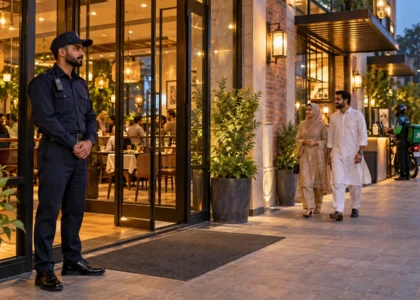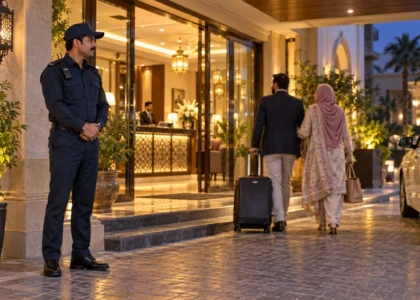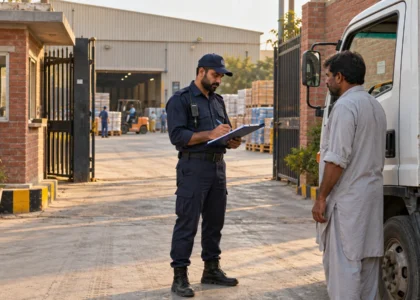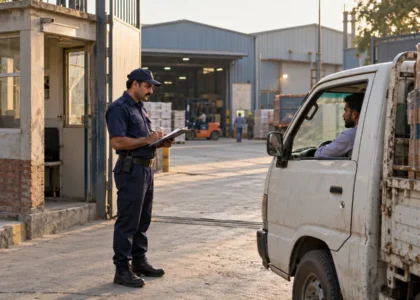
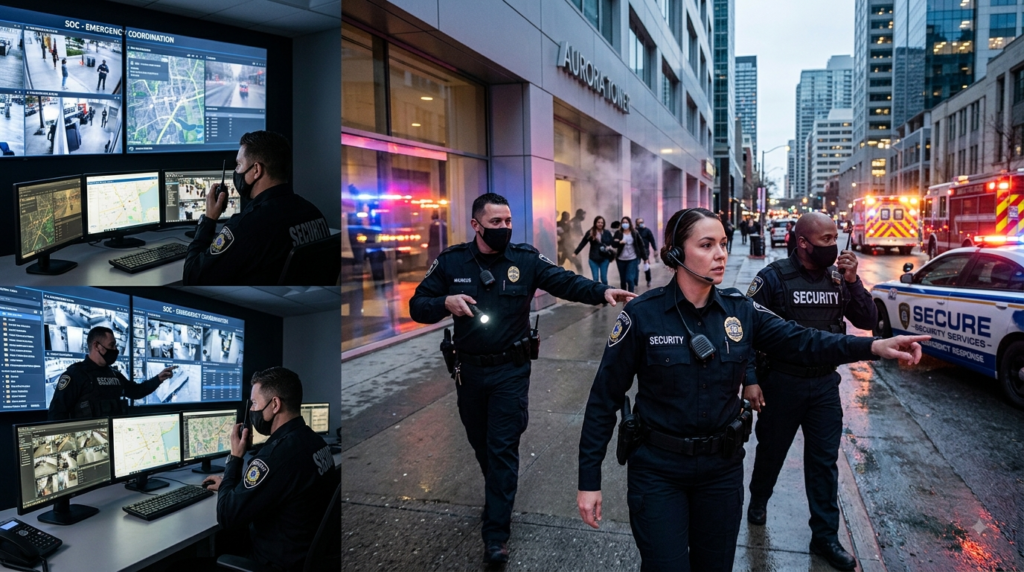
Emergencies can happen without warning. A fire can start in an office, an unauthorized person can enter a restricted area, a worker can suffer an injury, or a security incident can suddenly put employees and visitors at risk. In such situations, having security personnel on-site can make a major difference because trained guards can respond immediately while professional emergency services are being contacted.
A professional security guard company does not simply send personnel to stand at an entrance. It establishes procedures for identifying threats, communicating incidents, securing affected areas, assisting people, and coordinating with emergency responders. For businesses looking for Security Guard Services in Lahore, understanding how security companies handle emergencies can help them choose a provider that is prepared for situations beyond routine access control.
The First Few Minutes Matter
During an emergency, the first few minutes can be critical. Confusion can spread quickly when employees and visitors do not know what is happening or where they should go. A trained security guard is often among the first people available to assess the situation and begin the initial response.
The guard’s first responsibility is generally to understand the nature of the incident and determine whether people are in immediate danger. Depending on the situation, this may involve raising an alarm, contacting supervisors, restricting access to a dangerous area, assisting people toward a safe location, or contacting the relevant emergency service.
The objective is not for security guards to replace police officers, firefighters, or medical professionals. Their role is to take appropriate immediate action, protect people from further danger, and maintain control until specialized responders arrive.
Security Companies Prepare Before an Emergency Happens
Effective emergency response begins long before an incident occurs. A professional security provider should understand the client’s property and identify areas that could create security or safety concerns.
During an initial assessment, security personnel may become familiar with entrances, exits, emergency routes, parking areas, restricted sections, fire equipment locations, and other important parts of the property. Guards should also understand who they need to contact when a serious incident occurs.
This preparation allows them to respond with greater confidence instead of trying to figure out the property layout during an emergency.
Fire Emergencies
Fire is one of the most serious emergencies a commercial property can face. Smoke, flames, panic, and blocked routes can quickly turn a small incident into a dangerous situation.
Security guards can help by raising the alarm, informing management, contacting emergency responders, and directing people toward designated exits where appropriate. They may also help prevent people from entering the affected area and keep access routes clear for emergency vehicles.
Security personnel should not take unnecessary risks by attempting to fight a serious fire beyond their training or equipment. Their priority is protecting people, controlling access, communicating accurate information, and supporting professional firefighters when they arrive.
Medical Emergencies
A medical emergency can occur in any workplace, shopping center, warehouse, construction site, or commercial building. Someone may become seriously ill, suffer an accident, or require urgent medical attention.
Security guards can provide immediate assistance within the limits of their training while contacting medical services. They can help clear the area, guide emergency responders to the correct location, control crowds, and ensure that unnecessary people do not interfere with the response.
Their familiarity with the property can also help emergency teams reach the affected person faster, particularly in large buildings or facilities with multiple entrances.
Unauthorized Entry and Security Breaches
Not every emergency involves a fire or medical situation. An attempted break-in, unauthorized person, forced entry, or suspicious activity can also create an immediate security threat.
A trained guard can monitor the situation, alert supervisors, restrict access to sensitive areas, and follow the company’s established response procedure. Where necessary, the appropriate law enforcement authorities can be contacted.
The key is controlled action. Security personnel should avoid unnecessary confrontation and follow established procedures designed to protect employees, visitors, and property.
Handling Suspicious Packages or Objects
A suspicious package should never be treated casually. An unknown object found in a restricted area, near an entrance, or in another unusual location may require further attention.
Security guards can establish a safe perimeter, prevent unnecessary people from approaching the object, inform management, and contact the relevant authorities when required. They should not unnecessarily handle or move suspicious objects.
Good security procedures focus on isolation, communication, and keeping people away from potential danger until the situation has been properly assessed.
Workplace Violence and Physical Conflicts
Arguments between employees, customers, visitors, contractors, or other individuals can sometimes become aggressive. Security guards may be required to intervene to prevent the situation from escalating.
Their response should focus on maintaining safety, controlling access, separating people when appropriate, and contacting the relevant authorities if the situation becomes serious.
Professional guards should remain calm and avoid unnecessary escalation. Their communication skills are particularly important in these situations because a poorly handled confrontation can make an already difficult incident worse.
Managing Crowds During an Emergency
Large crowds can make an emergency much more difficult to manage. People may panic, move in different directions, block exits, or attempt to reach an area where an incident has occurred.
Security guards can help maintain order by directing people away from dangerous areas, keeping emergency routes clear, and supporting an organized evacuation when required. Their visible presence can provide people with clear instructions during a confusing situation.
This responsibility is particularly important in shopping centers, hospitals, hotels, educational facilities, commercial buildings, and large events.
Communication Is a Major Part of Emergency Response
Even a well-trained guard cannot handle an emergency effectively without proper communication. Information needs to reach the right people quickly and accurately.
Security companies typically establish communication procedures between guards, supervisors, property management, and emergency services. Guards may use radios, mobile communication, alarms, CCTV systems, or other approved methods depending on the assignment.
Accurate communication also helps prevent rumors and confusion. Instead of everyone trying to determine what happened independently, management can receive information from designated security personnel and make informed decisions.
Security Guards Can Support Evacuation Procedures
When an emergency requires people to leave a building, security guards can support the evacuation process by helping direct employees and visitors toward safe exits and keeping restricted or dangerous areas clear.
They may also assist management with accounting procedures, access control, and preventing people from unnecessarily returning to the affected area.
Every property has its own evacuation plan, so guards should understand the client’s procedures rather than relying on a generic approach.
CCTV and Other Security Systems Help Guards Respond
Modern security operations often combine personnel with technology. CCTV cameras can provide guards with visibility across areas that may not be directly accessible from a security post.
During an incident, guards can use surveillance footage to understand where an event is occurring, monitor movement, and provide useful information to management or emergency responders. Access control systems, alarms, communication devices, and other technologies can also support the overall response.
Technology is valuable, but it does not eliminate the need for human judgment. A camera can identify an unusual event, while a trained guard can assess the situation and take appropriate physical action.
Incident Reporting After the Emergency
Emergency response does not end when the immediate threat has been controlled. A professional security company should document significant incidents through proper reporting procedures.
An incident report may record the time of the event, location, people involved, actions taken, and other relevant details. These records can help management understand what happened and identify improvements that could prevent similar incidents in the future.
Consistent reporting also gives clients greater visibility into the security service they are receiving.
Why Training Makes a Difference
Emergency response requires more than physical presence. Guards need to understand their responsibilities and know how to react under pressure.
Training can cover areas such as emergency communication, access control, evacuation support, conflict management, patrol procedures, incident reporting, and basic emergency response. The exact training requirements depend on the assignment and responsibilities of the security personnel.
Businesses should therefore ask security providers about their recruitment, training, and supervision standards before hiring them.
How Security Companies Coordinate With Emergency Services
Private security guards are not a replacement for government emergency services. Police, firefighters, and medical teams have specialized authority, equipment, and training for serious emergencies.
The role of security personnel is to respond appropriately until those services arrive and then provide useful assistance. Guards can guide emergency teams to the correct location, provide information about the property, control access, and help keep unnecessary people away from the affected area.
Good coordination can reduce confusion and allow professional responders to begin their work more efficiently.
Why 24/7 Security Can Be Valuable
Emergencies do not follow office hours. A security incident can happen late at night, during a weekend, or on a public holiday when fewer employees are present.
For warehouses, factories, construction sites, hospitals, commercial facilities, and other properties that operate continuously or contain valuable assets, 24/7 Security Guard Services in Lahore can provide an additional layer of protection.
Having trained personnel physically present means a potential problem can be identified and addressed without waiting for someone to arrive from outside the property.
Choosing a Security Company With Emergency Response Capabilities
When comparing a security guard company in Lahore, businesses should ask more than how many guards the provider can supply. They should understand how the company manages emergencies and supports its personnel during difficult situations.
Important questions include:
- How are guards trained for emergencies?
- Who supervises the guards?
- How are incidents reported?
- What happens if an assigned guard is unavailable?
- How does the company communicate with clients during serious incidents?
- Can the company provide continuous security coverage?
The answers can reveal whether a provider has a structured security operation or simply supplies manpower.
Why Choose Bulwark Security & Management Pakistan?
Bulwark Security & Management Pakistan (BSM Pakistan) provides professional Security Guard Services in Lahore for businesses and properties that require dependable security support.
BSM Pakistan serves different types of facilities, including corporate offices, commercial buildings, warehouses, factories, retail businesses, construction sites, residential properties, and other locations. Security arrangements can be developed according to the property’s operating hours, layout, access points, and specific security requirements.
The company’s approach focuses on trained personnel, professional supervision, and structured security management. This helps clients maintain consistent protection during routine operations while also having security personnel available to respond when unexpected situations occur.
For businesses, the value of a security company is not measured only by whether an incident occurs. It is also measured by how prepared the security team is when something goes wrong.
Final Thoughts
Emergencies require preparation, communication, and quick but controlled action. Professional security guards provide an immediate physical presence that can help protect employees, visitors, property, and business operations while emergency services are contacted and deployed.
From fires and medical incidents to unauthorized entry, suspicious activity, workplace conflicts, and evacuation situations, trained security personnel can play an important supporting role. The quality of that response depends heavily on recruitment, training, supervision, communication, and the procedures established by the security company.
Businesses looking for Security Guard Services in Lahore should therefore evaluate emergency preparedness alongside everyday guarding services. Bulwark Security & Management Pakistan (BSM Pakistan) provides professional security solutions designed around the needs of different properties, helping clients maintain a safer environment and better preparedness for unexpected situations.
Common Questions with Answers
What do security guards do during emergencies?
They assess the situation, raise alarms, contact the appropriate authorities, protect people, control access, and support emergency responders.
Can security guards handle fires?
Guards can raise the alarm, assist with evacuation, contact firefighters, and secure the affected area. They should only use firefighting equipment within their training and when it is safe to do so.
Do security guards respond to medical emergencies?
Yes. They can call medical services, assist within their training, control the surrounding area, and guide emergency responders to the affected person.
How do guards handle unauthorized entry?
They can monitor the situation, restrict access, notify supervisors, and contact law enforcement when required according to established procedures.
Why is security training important?
Training prepares guards to respond calmly and appropriately during emergencies instead of reacting without a clear procedure.
Do security guards monitor CCTV?
Depending on the assignment, guards can monitor CCTV and use surveillance systems to identify and assess suspicious activity.
Are 24/7 security services useful during emergencies?
Yes. Continuous coverage means trained personnel are present to respond even when the business is closed or operating with minimal staff.