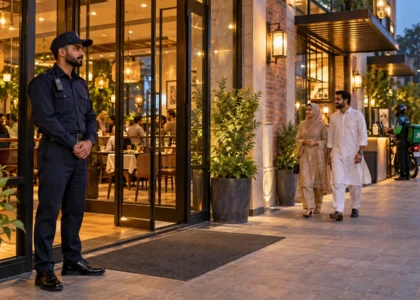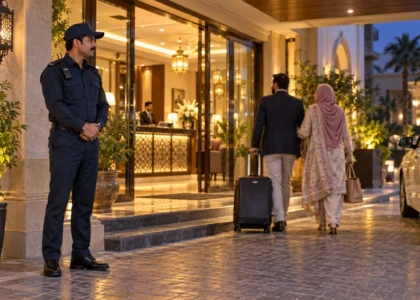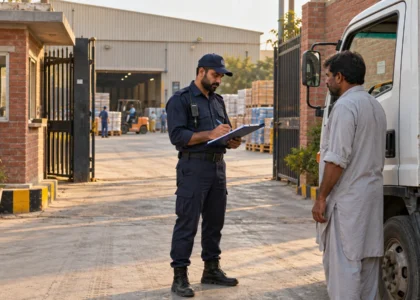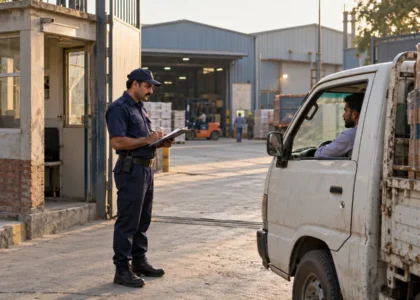
Large public events bring together hundreds or thousands of people in one place. Concerts, festivals, sports matches, exhibitions, political gatherings, and corporate events all require careful security planning. Security guards play an important role in keeping attendees safe, controlling access, and responding to problems before they become serious.
Preparing a Security Plan for the Event
Before a large public event begins, security guards and event organizers identify possible risks and areas that need protection. They assess entrances, exits, parking areas, restricted zones, emergency routes, and locations where large crowds may gather. Guards are then assigned to specific positions and briefed about their duties. A clear plan helps the security team respond quickly to crowd issues, unauthorized access, medical emergencies, or other unexpected situations.
Planning Security Before the Event
Effective event security starts before guests arrive. Security teams review the venue, expected crowd size, entry points, emergency exits, parking areas, and other important locations.
Guards are assigned to specific positions and briefed about their responsibilities. They also learn about emergency procedures and communication methods so everyone knows what to do if an incident occurs.
Managing Entry and Exit Points
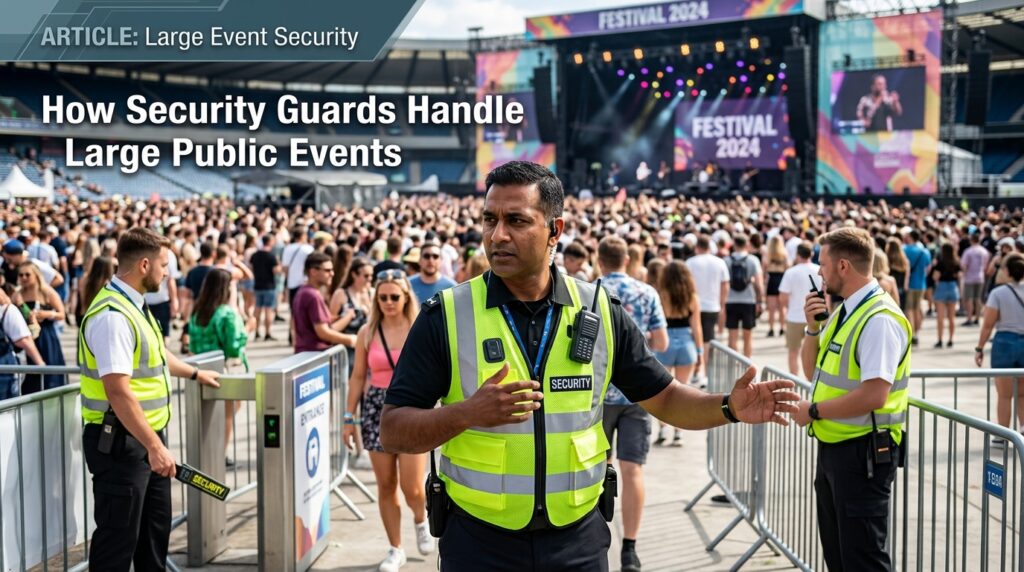
Crowd control begins at the entrance. Security guards check tickets, passes, and other required credentials while making sure unauthorized people do not enter restricted areas.
They may also monitor bags and personal belongings when screening is part of the event’s security plan. At the end of the event, guards help manage exits and prevent overcrowding around doors and walkways.
Controlling Large Crowds
Large crowds can become difficult to manage when people gather in small spaces. Security guards monitor crowd movement and identify areas that are becoming too crowded.
They may guide people toward less crowded routes, keep important walkways clear, and prevent people from entering restricted zones. Their presence also helps discourage fights, vandalism, and other disruptive behavior.
Monitoring the Venue
Security personnel remain alert throughout the event instead of focusing only on entrances. They patrol public areas, parking spaces, corridors, and restricted sections.
Guards look for unusual behavior, unattended items, damaged barriers, and other potential security concerns. CCTV operators and event security teams may also work together to monitor the venue.
Handling Emergencies
Medical emergencies, fires, fights, crowd disturbances, and other incidents can happen at public gatherings. Security guards are often among the first people available to respond.
They secure the area, help control nearby crowds, contact the appropriate emergency services, and guide people away from danger. Guards also follow the event’s emergency response plan to reduce confusion during stressful situations.
Protecting Restricted Areas
Many events have areas that are not open to the general public. These may include backstage sections, equipment rooms, staff areas, VIP zones, and control rooms.
Security guards check credentials and monitor these locations to prevent unauthorized access. This protects both people and valuable equipment.
Working With Event Staff and Emergency Services
Event security works best when guards communicate with organizers, venue staff, medical teams, police, and other emergency personnel.
Security teams use radios or other communication systems to report incidents and share important information quickly. Clear communication helps different teams respond without creating unnecessary confusion.
Keeping VIPs and Staff Safe
Some public events include celebrities, executives, politicians, athletes, or other high profile guests. Security guards may provide additional protection around these individuals.
They can control access to VIP areas, monitor nearby crowds, and coordinate movement with event organizers. Staff members may also receive security support when they handle money, equipment, or other valuable property.
Maintaining a Calm Environment
Professional security guards do more than enforce rules. Their presence can make attendees feel safer and help prevent problems before they escalate.
Guards should remain calm, respectful, and professional when dealing with members of the public. Good communication can often resolve minor issues without unnecessary confrontation.
Security After the Event
Security responsibilities continue after the last guest leaves. Guards may secure entrances, check restricted areas, monitor parking spaces, and make sure staff can leave safely.
A post event security review can also help organizers identify problems and improve security arrangements for future events.
Conclusion
Large public events require organised security because even a small problem can become difficult to control when thousands of people are present. Security guards help manage entrances, control crowds, protect restricted areas, monitor the venue, and respond to emergencies.
FAQs
1. Why is security important at large public events?
Security helps protect guests, staff, performers, and property while keeping crowds organized and reducing the risk of incidents.
2. What do security guards do at public events?
Security guards manage entry points, monitor crowds, patrol the venue, protect restricted areas, respond to incidents, and assist with emergency procedures.
3. How do security guards control large crowds?
They monitor crowd movement, keep walkways clear, guide people toward safer areas, and prevent overcrowding at entrances and exits.
4. How do guards handle emergencies during an event?
They secure the affected area, alert the appropriate emergency personnel, control nearby crowds, and help people move away from danger.
5. Do security guards check people before they enter an event?
Depending on the event’s security requirements, guards may check tickets, passes, bags, and other items before allowing visitors to enter.
6. How do security guards protect restricted areas?
Guards check identification and access passes while monitoring areas that are reserved for staff, performers, VIPs, or event equipment.