Workplace security is not limited to cameras, locks, and alarm systems. Businesses also need clear security policies that explain how employees, visitors, vehicles, contractors, and company assets should be managed. However, having policies on paper is not enough. Someone needs to help apply those rules during daily operations.
Security guards can play an important role in this process. They monitor entrances, verify visitors, control access to restricted areas, conduct patrols, report incidents, and communicate security concerns to management. For businesses using security guard services in Lahore, trained personnel can help turn workplace security policies into practical procedures that are followed consistently.
Security Guards Help Enforce Access Control
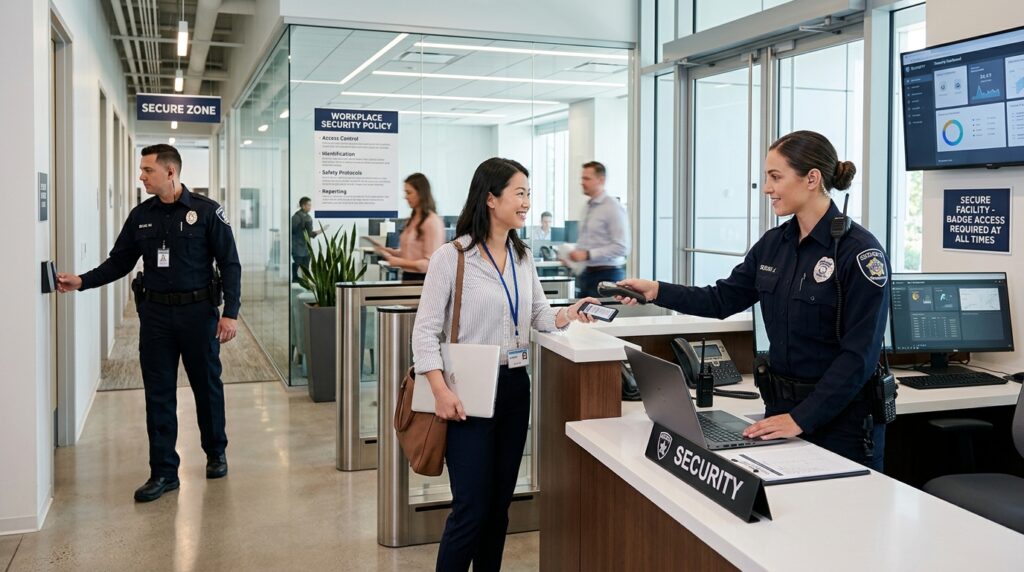
Access control is one of the most common workplace security policies. Businesses may restrict certain areas to specific employees or departments because they contain sensitive documents, equipment, inventory, or other valuable assets.
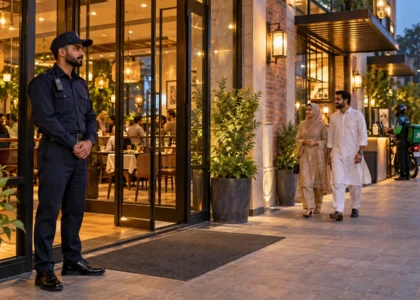
Security guards can monitor entrances and check whether individuals have the required authorisation before allowing them into restricted areas. They can also question unauthorised visitors and follow the company’s established procedures for handling access violations.
Consistent access control reduces the chance of unauthorised individuals entering areas where they should not be present.
Visitor Management Becomes More Organized
Most businesses receive visitors, clients, contractors, delivery personnel, and service providers throughout the day. Without a proper visitor procedure, it can be difficult to know who is inside the premises.
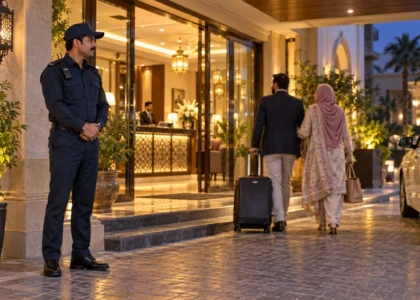
Security guards can help enforce visitor management policies by verifying identities, confirming appointments, recording visitor details, issuing temporary passes, and directing guests to the appropriate area.
This allows employees to receive visitors without giving unrestricted access to the entire workplace.
Monitoring Employee Entry and Exit
Some businesses require employees to follow specific entry and exit procedures. These may include using access cards, passing through designated gates, or following separate procedures for staff and visitors.
Security guards can help monitor these processes and identify unusual activity. They can also report situations where someone attempts to enter through an unauthorised point or bypass established security procedures.
The purpose is not to unnecessarily interfere with employees but to ensure that agreed security measures are applied consistently.
Protecting Restricted Areas
Many workplaces contain areas that require additional protection. These may include server rooms, storage facilities, production areas, records rooms, financial departments, or executive offices.
Security guards can monitor access to these locations and ensure that only authorised personnel are allowed inside.
Regular monitoring is particularly useful for businesses where sensitive information or expensive equipment is stored in specific sections of the property.
Supporting Workplace ID Policies
Employee identification systems help businesses distinguish between staff members, visitors, contractors, and other people on the premises.
Security guards can check identification cards at designated access points and report missing or suspicious credentials according to company procedures.
If an employee forgets an ID card, the guard can follow the business’s established verification process rather than simply allowing unrestricted entry.
Monitoring Company Vehicles
Workplace security policies often include rules for company vehicles, delivery trucks, contractors, and other vehicles entering or leaving the premises.
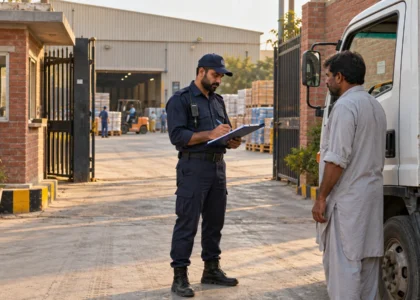
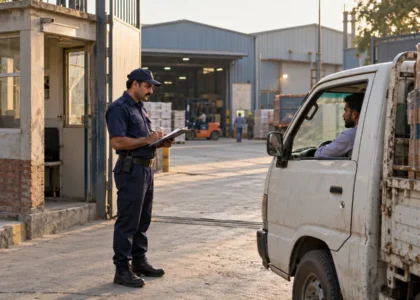
Security guards can verify vehicle information, monitor entry and exit points, and follow procedures for loading and unloading areas.
This can help businesses maintain better control over vehicle movement and reduce the risk of unauthorised removal of equipment, inventory, or materials.
Helping Prevent unauthorised property removal
Businesses may have policies regarding the removal of company equipment, documents, inventory, tools, and other assets.
Security guards can support these policies by monitoring exit points and checking relevant documentation when required by the company.
For example, if an employee or contractor needs to remove company equipment from the premises, the security procedure may require approval from an authorised manager. Security personnel can verify that approval before allowing the item to leave.
Conducting Regular Security Patrols
Workplace security policies often require regular inspection of the property rather than relying only on entrance monitoring.
Security guards can patrol offices, warehouses, parking areas, production sections, corridors, boundary areas, and other locations according to the assigned schedule.
During patrols, they may identify unlocked doors, damaged locks, unusual activity, safety concerns, or unauthorised individuals.
These observations can then be reported to management for further action.
Reporting Security Policy Violations
Security guards are often in a position to notice when workplace security rules are not being followed.
For example, they may observe someone entering through an unauthorised door, allowing another person to enter without verification, accessing a restricted area, or attempting to remove company property without proper authorisation.
Instead of ignoring these situations, guards can document and report them according to the company’s reporting procedure.
This gives management a clearer picture of where security policies may be failing.
Supporting Emergency Procedures
Workplace security policies should also explain what employees should do during emergencies.
Security guards can help implement these procedures during incidents such as fire alarms, unauthorised entry, medical emergencies, physical conflicts, or other unexpected situations.
Depending on their training and responsibilities, guards can raise alarms, notify management, restrict access to affected areas, guide emergency responders, and help maintain order.
They should follow established procedures and contact the appropriate emergency services when necessary.
Managing Access During Emergencies
An emergency may require certain entrances or areas to be restricted temporarily.
Security guards can help control movement around the affected location and prevent unnecessary people from entering areas where they could be exposed to danger or interfere with emergency response.
They can also help direct employees and visitors toward designated safe areas when instructed by the site’s emergency procedures.
This can make emergency management more organised and reduce confusion.
Supporting Workplace Security During Night Shifts
Security policies should remain active even when most employees have left the building.
Offices, warehouses, factories, and commercial properties may still contain valuable assets after working hours. Some businesses also operate night shifts with a smaller number of employees.
Security guards can maintain access control, monitor employees and visitors, conduct patrols, and protect restricted areas during these quieter periods.
For businesses requiring continuous protection, 24/7 Security Guard Services in Lahore can help maintain security procedures across multiple shifts.
Monitoring Suspicious Activity
Security policies usually include procedures for dealing with suspicious behaviour.
Security guards can monitor unusual activity around entrances, parking areas, storage sections, and other vulnerable locations. If something appears unusual, they can follow the appropriate reporting and response procedure.
Their physical presence also creates a visible deterrent. People may be less likely to attempt unauthorised activity when they know the premises are actively monitored.
Helping Maintain Professional Workplace Conduct
Security guards can also support policies related to general order and controlled access.
They may monitor visitor behaviour, prevent unauthorised gatherings in restricted areas, manage access during busy periods, and report serious disturbances to management.
Their role should remain professional. Guards should follow company procedures and avoid unnecessary confrontation while dealing with employees, customers, or visitors.
Working With Management
Security guards cannot maintain workplace policies effectively without clear instructions from management.
Businesses should provide guards with written procedures explaining access points, restricted areas, visitor rules, emergency contacts, reporting requirements, and other relevant responsibilities.
Regular communication between management and the security company also allows procedures to be updated when business operations change.
For example, a company may introduce a new access card system, move valuable equipment to another location, or change its working hours. Security personnel should be informed about these changes.
Security Guards Complement Technology
Modern workplaces often use CCTV cameras, access cards, alarms, biometric systems, and other security technology.
Security guards can help ensure these systems are used effectively.
For example, CCTV may identify suspicious movement, while a guard can respond to the location and follow the appropriate procedure. Similarly, an access control system can restrict entry while guards monitor the physical entrance.
Combining technology with trained security personnel can create a stronger workplace security system.
Why Professional Security Services Matter
Businesses should not assume that anyone positioned at an entrance can effectively enforce security policies. Security personnel need proper training, supervision, clear responsibilities, and professional conduct.
A professional security provider can recruit suitable guards, provide training, arrange shifts, monitor performance, and provide replacement personnel when required.
This creates greater accountability and helps businesses maintain security standards over the long term.
Why Choose Bulwark Security & Management Pakistan?
Bulwark Security & Management Pakistan (BSM Pakistan) provides professional security guard services in Lahore for businesses that require structured workplace security.
BSM Pakistan provides security personnel for corporate offices, commercial buildings, warehouses, factories, construction sites, retail businesses, residential properties, and other facilities.
Security arrangements can be customised according to the client’s property, operating hours, access points, restricted areas, assets, and specific security requirements. Guards can support access control, visitor management, patrols, incident reporting, and emergency procedures.
For businesses, the objective is not simply to have a guard at the entrance. It is to have trained personnel who understand the site’s security requirements and help management maintain them consistently.
Final Thoughts
Workplace security policies only provide value when they are properly implemented. Security guards help businesses put these policies into practice by controlling access, managing visitors, monitoring vehicles, protecting restricted areas, conducting patrols, reporting violations, and supporting emergency procedures.
Their role becomes even more valuable when security policies are supported by CCTV, access control systems, alarms, employee awareness, and regular management reviews.
For businesses using security guard services in Lahore, choosing a professional provider can help ensure that security procedures are followed consistently throughout the day and night. Bulwark Security & Management Pakistan (BSM Pakistan) provides customised security solutions designed to help businesses maintain a safer, more controlled, and professionally managed workplace.
FAQs
How do security guards support workplace policies?
They help enforce access control, visitor procedures, restricted area rules, patrol schedules, and other security requirements.
Can guards monitor employee entry?
Yes. Guards can monitor designated entry points and follow the company’s procedures for employee identification and access.
Do guards manage workplace visitors?
Yes. They can verify visitors, record relevant details, confirm appointments, and control access according to company policies.
Can security guards protect restricted areas?
Yes. Guards can monitor restricted areas and allow access only to authorised personnel.
Do guards report security violations?
Yes. Security personnel can document and report violations according to the company’s established procedures.
Can guards support emergency procedures?
Yes. Depending on their training, they can raise alarms, notify management, control access, and assist emergency responders.
Can security guards work with CCTV?
Yes. Guards can monitor CCTV systems and respond to suspicious activity identified through surveillance.