Gated communities are designed to give residents a safe, private, and comfortable place to live. Security gates, cameras, access control systems, and lighting can help control who enters and leaves the community. However, security technology alone cannot handle every situation. Professional security guards add a human layer of protection that can make a major difference in residential safety.
Security guards in gated communities monitor entrances, check visitors, patrol common areas, respond to unusual activity, and help residents during emergencies. Their presence can also discourage criminals from targeting homes, vehicles, and shared facilities. More importantly, trained guards can make quick decisions when something unexpected happens.
For homeowners, families, property managers, and community associations, having professional security guards can create a stronger sense of safety. This article explains how security guards improve safety in gated communities and why their role remains important even when modern security technology is available.
The Role of Security Guards in Gated Communities
Security guards perform several duties that help protect residents, visitors, property, and community facilities. Their responsibilities can change depending on the size and security needs of the community.
Monitoring Entry and Exit Points
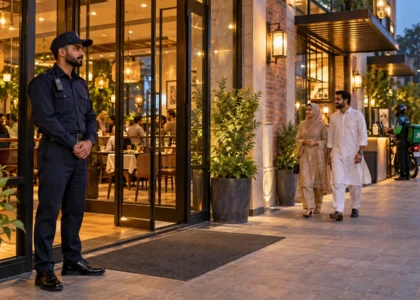
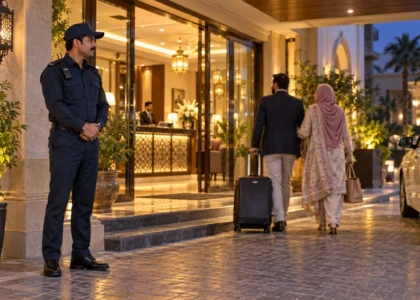
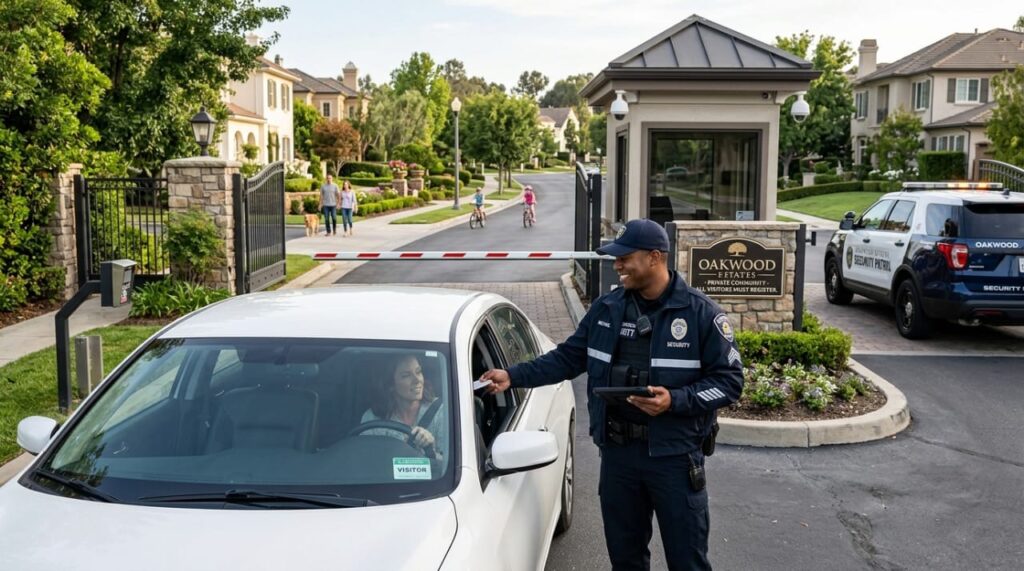
One of the main responsibilities of a security guard is monitoring the main entrance and exit. Guards can check visitors, contractors, delivery drivers, and service workers before allowing them to enter.
In communities with controlled access, guards may ask visitors for identification, confirm the address they are visiting, and contact the resident before granting access. This simple process can prevent unauthorized people from entering residential areas.
Guards can also monitor vehicles and report suspicious activity around entrance points. Their physical presence makes it harder for unknown individuals to enter without being noticed.
Managing Visitors and Contractors
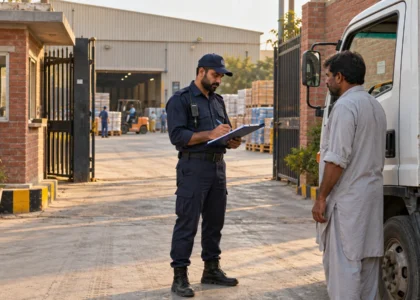
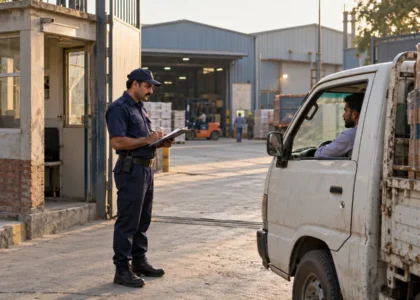
Gated communities often receive visitors throughout the day. Friends, family members, maintenance workers, cleaners, technicians, and delivery drivers may all need access.
Security guards can maintain visitor records and follow the community’s access procedures. They can also direct visitors to the correct property and prevent people from entering restricted areas.
Contractors may require additional checks because they sometimes spend several hours inside a community. Guards can verify their authorization and monitor their movement when required.
Conducting Regular Security Patrols
Regular patrols are another important part of residential security. Guards can walk or drive through streets, parking areas, parks, clubhouses, and other shared spaces.
Patrols allow guards to identify unusual situations that cameras may not detect clearly. For example, they may notice an unlocked gate, damaged fence, broken light, suspicious vehicle, or person behaving unusually.
A visible security patrol can also discourage criminal activity. People who intend to commit a crime may avoid an area when they know trained security personnel are actively monitoring it.
How Security Guards Help Prevent Crime?
Crime prevention is one of the biggest reasons communities choose professional security services. Security guards cannot prevent every crime, but their presence can reduce opportunities for criminal activity.
A Visible Security Presence
Criminals often look for locations where they believe they can act without being noticed. A uniformed security guard creates a visible security presence that can discourage trespassing, theft, vandalism, and other unwanted activity.
When guards regularly patrol a gated community, residents and potential offenders know that security personnel are actively watching the area.
This does not mean every incident will be prevented. However, visible security can make a community less attractive to people looking for easy targets.
Identifying Suspicious Activity
Security guards are trained to observe their surroundings and identify behavior that may require attention. Suspicious activity could include an unknown person checking multiple vehicles, someone attempting to access a restricted area, or a vehicle repeatedly driving through the community without a clear reason.
Guards can observe the situation, follow established procedures, and contact the appropriate authorities when necessary.
Early identification can help prevent a small security concern from becoming a serious incident.
Protecting Vehicles and Parking Areas
Vehicle theft, break-ins, and property damage can be major concerns in residential communities. Security guards can regularly check parking areas and community streets.
They may report suspicious vehicles, monitor visitor parking, and respond when residents report unusual activity around their vehicles.
Proper lighting, cameras, access control, and security patrols can work together to create a safer parking environment.
How Security Guards Respond to Emergencies?
A security guard can be one of the first people available when an emergency occurs inside a gated community. Quick action can help reduce confusion and protect residents until emergency services arrive.
Responding to Medical Emergencies
Medical emergencies can happen anywhere, including residential communities. A resident may become seriously ill, suffer an injury, or require immediate medical assistance.
Security guards can contact emergency medical services and guide responders to the correct location. Since gated communities can have multiple entrances, streets, and buildings, having someone available to direct emergency personnel can save valuable time.
Trained guards may also provide basic assistance within the limits of their training while waiting for professional medical help.
Handling Fire and Evacuation Situations
Fires require fast communication and organized action. Security guards can alert residents, contact the fire department, help control access around the affected area, and guide emergency responders.
They can also help keep residents away from dangerous areas and prevent unnecessary traffic from blocking emergency vehicles.
A community with an established emergency response plan can work more effectively when security guards understand their responsibilities before an incident occurs.
Managing Other Emergencies
Security guards may also respond to situations such as suspicious packages, security breaches, power failures, water leaks, property damage, or severe weather events.
Their role is not to replace police, firefighters, medical professionals, or other emergency services. Instead, they can provide immediate support, communication, observation, and access control until the appropriate professionals arrive.
Improving Access Control in Gated Communities
Access control is an important part of gated community security. Electronic gates, access cards, cameras, and intercom systems can help control who enters and leaves the community, but security guards can make these systems more effective. Guards can check visitors, verify their purpose, and contact residents before allowing unknown people to enter.
They can also manage food delivery workers, courier drivers, repair technicians, and other service providers according to community rules. Visitor records can include names, vehicle details, entry times, and the resident being visited. These records can be useful when a security issue needs to be investigated. Guards can also notice unusual behavior that an automated system may not identify. Combining access control technology with trained security personnel creates an additional layer of protection and helps reduce the risk of unauthorized access, trespassing, and other security concerns.
Supporting Security Cameras and Technology
Security cameras, alarms, and other technology can provide valuable support in a gated community, but they work best when trained security guards are available to monitor and respond to them. Guards can watch CCTV cameras around entrances, parking areas, parks, clubhouses, and other important locations. If they notice unusual activity, they can investigate the situation and take the appropriate action.
Security guards can also respond when an alarm is triggered due to unauthorized entry, a forced door, or another security concern. Human judgment is important because cameras can show what is happening, but they may not explain why it is happening. A guard can determine if a person is a resident, visitor, worker, or someone who should not be in the area. Combining modern security technology with trained personnel can create a stronger and more responsive residential security system.
Creating a Safer Environment for Residents
Security guards can help create a safer and more comfortable environment for people living in gated communities. Their regular presence can give residents greater confidence when using shared spaces such as parks, walking paths, parking areas, clubhouses, gyms, and swimming pools. Parents may feel more comfortable when their children are using community facilities, while older residents can benefit from having security personnel nearby when assistance is needed.
Guards can also monitor common areas and report problems such as unauthorized access, vandalism, unsafe behavior, or property damage. In addition, they can help property management follow security-related community rules, including visitor policies, parking regulations, and restricted-area access. Professional guards should enforce these rules in a respectful and consistent manner. A visible and approachable security team can help residents feel more secure while supporting a peaceful and well-managed community environment.
How Security Guards Improve Communication?
Effective communication is important for maintaining safety in a gated community, especially during emergencies. Security guards can act as a communication link between residents, property managers, community associations, and emergency services. They can report suspicious activity, security incidents, maintenance problems, and access issues to management. Guards can also communicate with residents about visitors, access concerns, or other security matters.
During serious incidents, they can contact police, firefighters, medical teams, or other emergency responders and provide useful information about the location and situation. Since guards are already familiar with the community layout, they can guide emergency personnel to the correct entrance or property and help keep access routes clear. Regular communication and accurate incident reporting can help property managers identify repeated problems and improve security procedures. Good communication also builds trust between residents and security personnel.
Protecting Community Property
Security guards also help protect the physical property found inside gated communities. Residential areas may include vehicles, landscaping, playgrounds, swimming pools, clubhouses, gyms, storage areas, and maintenance facilities that require regular monitoring. Security guards can conduct patrols and report signs of vandalism, property damage, or unauthorized activity. Their visible presence can discourage people from entering restricted areas or damaging community property.
Guards can also monitor access to facilities that contain valuable equipment and make sure only authorized individuals enter them. Regular patrols can help identify problems at an early stage, allowing property managers to respond before the damage becomes more serious. They can also monitor areas where trespassing may be a concern. By combining patrols, access control, CCTV monitoring, and proper incident reporting, security guards can help protect shared community property and maintain a safer environment for residents.
Why Professional Training Matters?
The quality of residential security depends greatly on the training and professionalism of security guards. Guards should understand how to observe their surroundings, identify possible risks, communicate clearly, and follow established security procedures. Proper training can help them remain calm and professional when dealing with difficult situations. Security personnel may also receive training in emergency communication, evacuation procedures, first aid, fire response, access control, and incident reporting, depending on their responsibilities and local requirements.
Customer service is another important skill because guards interact with residents, visitors, contractors, and delivery personnel every day. A professional guard should be respectful, alert, patient, and able to handle disagreements without creating unnecessary conflict. Well-trained security guards are better prepared to protect people and property while providing reliable service. For gated communities, investing in trained personnel can make security operations more organized and effective.
Building a Stronger Residential Security System
A strong residential security system should use several security measures together instead of depending on one solution. Electronic gates and access control systems can help manage entry, while security guards can verify visitors and respond to unusual situations. CCTV cameras can provide continuous monitoring, while guards can investigate activity identified through the cameras. Regular patrols can provide another layer of protection across streets, parking areas, parks, and shared facilities.
Property managers should also review security arrangements regularly and check entry points, lighting, camera coverage, patrol routes, visitor procedures, and emergency plans. Security guards can provide useful feedback because they work directly inside the community and see daily activities and possible security concerns. Combining trained security personnel with modern technology and clear procedures can help communities respond to problems more effectively and create stronger protection for residents and property.
Benefits for Property Managers and Homeowners
Professional security services can provide practical benefits for both property managers and homeowners. Security guards can document incidents and provide management with information that may help identify repeated security problems or patterns. Having guards inside the community can also allow many issues to receive a faster response because security personnel do not need to travel from an outside location.
During serious emergencies, guards can contact the appropriate emergency service while providing support until responders arrive. Their regular patrols and visible presence can also discourage unwanted activity and help protect shared facilities and residential areas. For homeowners, knowing that trained security personnel are monitoring entrances, common areas, and other important locations can provide greater peace of mind. For property managers, a professional security team can support access control, incident reporting, emergency response, and daily safety operations. Together, these benefits can contribute to a safer and more organized gated community.
Choosing the Right Security Company
Choosing the right security company is important for maintaining safety in a gated community. Property managers should look for trained and experienced guards who can manage visitors, conduct patrols, monitor entry points, and respond to emergencies. Good supervision also helps maintain reliable security services and accountability. Security plans should be customized according to the size, layout, and specific risks of each community. Bulwark Security & Management Pakistan (BSM Pakistan) provides professional security services with trained guards and customized solutions for residential and commercial properties. A well-planned security service can help protect residents, property, and shared community areas.
Final Thoughts:
Security guards play an important role in keeping gated communities safe. They provide a human layer of protection that works alongside gates, cameras, alarms, and access control systems.
From monitoring entrances and conducting patrols to responding to emergencies and reporting suspicious activity, trained security guards can support residents and property managers in many ways. Their visible presence can discourage unwanted activity, while their ability to respond and communicate can help manage incidents when they occur.
A strong gated community security strategy should combine professional guards, modern security technology, clear procedures, and regular security assessments. When these elements work together, residents can enjoy a safer and more comfortable living environment.
For property managers and community associations, investing in professional security is not simply about having someone at the gate. It is about creating a complete security system that protects people, property, and the community as a whole.