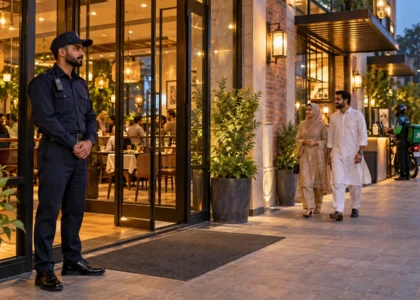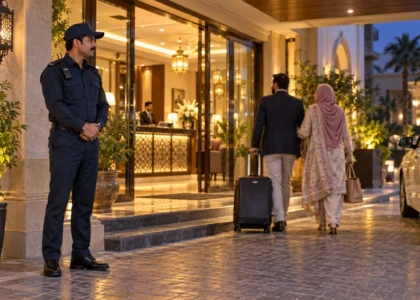
Large events can attract hundreds or even thousands of people in one place. Concerts, sports matches, festivals, exhibitions, conferences, weddings, and public gatherings all need proper crowd management to keep people safe and comfortable. Security guards play an important role in managing these crowds and preventing situations from becoming difficult to control.
Crowd management is more than simply standing at an entrance and checking people. Security guards need to guide visitors, monitor busy areas, control access points, respond to emergencies, and communicate with event staff. Their presence can also discourage unwanted behavior and help visitors feel safer throughout the event.
A well-managed crowd can move smoothly from one area to another without creating unnecessary pressure or confusion. Security guards use planning, observation, communication, and quick decision-making to maintain order. Their work becomes especially important when an event has large numbers of visitors, limited entrances, narrow walkways, or high-profile guests.
How Security Guards Manage Crowds at Events?
Managing a large crowd requires careful planning, proper communication, and constant attention. Security guards use different methods to keep visitors safe, maintain an organized flow, and respond quickly when problems occur. From preparing for the crowd before an event starts to managing people during emergencies, every step plays an important role in event security. The following are some of the main ways security guards manage crowds effectively.
Planning Crowd Management Before the Event
Effective crowd management starts before visitors arrive. Security teams usually work with event organizers to understand the venue, expected attendance, entrance points, exits, emergency routes, restricted areas, and important facilities.
Security guards need to know where crowds are most likely to gather. Entrances, ticket counters, food stalls, stages, restrooms, parking areas, and exits can become busy during an event. Identifying these areas in advance allows the security team to place guards where they are most needed.
The team may also review the event schedule. A concert, for example, may have a large crowd entering before the performance and another rush after it ends. Sports events can create similar situations before and after a match.
Good planning helps security guards react before a crowd becomes difficult to manage.
Controlling Entry and Exit Points
Entrances and exits are some of the busiest areas at an event. If too many people try to enter through one point at the same time, crowding can quickly occur.
Security guards help create an organized flow at these points. They may guide visitors toward different entrances, check tickets or passes, direct people to security screening areas, and prevent unauthorized individuals from entering restricted sections.
Exit management is just as important. After a major event, many people may leave at the same time. Security guards can direct visitors toward different exits and prevent people from blocking doorways or walkways.
Clear signs, barriers, and trained security personnel can work together to make entry and exit smoother.
Guiding People Through the Venue
Visitors may not always know where they need to go. At a large event, they may need directions to their seats, restrooms, food areas, parking spaces, or emergency exits.
Security guards often act as a helpful point of contact. They can provide basic directions and guide visitors away from restricted or unsafe areas.
When people know where to go, unnecessary crowding becomes less likely. Guards may also use barriers or controlled pathways to create clear routes for visitors.
This is especially useful at events with several sections or multiple entrances. A well-organized movement system helps people reach their destinations without pushing, blocking pathways, or creating confusion.
Monitoring Crowd Behavior
Security guards constantly observe the crowd for signs of trouble. They look for unusual behavior, arguments, overcrowding, blocked exits, people entering restricted areas, or situations that could become dangerous.
Early observation allows guards to respond before a small issue becomes a major problem.
For example, if several people begin arguing in a crowded area, a security guard may approach them and calmly separate the situation. If a particular walkway becomes too crowded, guards can redirect visitors to another route.
Constant observation is one of the most important parts of crowd management because security teams need to understand what is happening around them at all times.
Managing Large and Dense Crowds
Large crowds can become difficult to control when people are standing close together. Security guards use different methods to keep people moving safely.
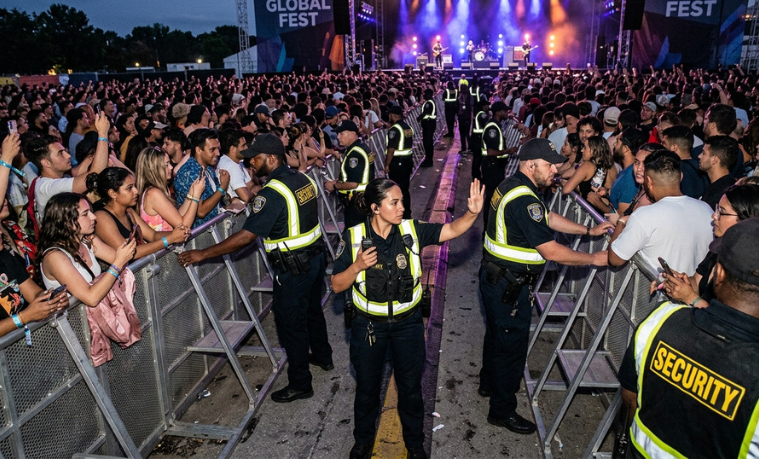
Barriers can create organized lanes and prevent visitors from entering areas that are not designed for public access. Guards may also form controlled lines at entrances, ticket counters, or other busy locations.
Communication is important in these situations. Guards can give clear instructions and encourage visitors to keep moving instead of stopping in crowded pathways.
The main goal is to prevent sudden crowd pressure. When people have enough space and clear routes, movement becomes safer and more predictable.
Using Barriers and Controlled Areas
Physical barriers are often used to separate different sections of an event. They can help create queues, protect performers, separate staff areas, and keep visitors away from dangerous locations.
Security guards monitor these barriers and make sure visitors do not move them or cross into restricted areas.
At concerts, barriers may separate the audience from the stage. At sports events, they may separate spectators from the playing area. At exhibitions, barriers can guide visitors through different sections.
Proper use of barriers makes the venue easier to manage and gives visitors a clear idea of where they can and cannot go.
Communicating Clearly With Visitors
Good communication can prevent many crowd-related problems. Security guards need to speak clearly, calmly, and respectfully when giving instructions.
Visitors may become confused if instructions are unclear or if several guards provide different information. For this reason, security teams often follow a planned communication system.
Guards can direct people toward exits, explain where queues begin, inform visitors about restricted areas, or ask people to move away from blocked pathways.
A calm approach is especially important when dealing with frustrated visitors. Polite communication can often solve a problem before it becomes a confrontation.
Working With Event Organizers
Security guards do not manage crowds alone. They usually work closely with event organizers, venue staff, ushers, medical teams, and other workers.
Event organizers provide information about the schedule, expected attendance, guest requirements, and venue layout. Security teams then use this information to plan their responsibilities.
During the event, guards may report problems to supervisors or event management. For example, they may report overcrowding, suspicious behavior, medical incidents, or problems at an entrance.
Strong teamwork allows different departments to respond quickly and avoid confusion.
Handling Emergencies
Crowd management becomes especially important during emergencies. A fire, medical emergency, power failure, security threat, or other unexpected situation can cause people to panic.
Security guards are often among the first people responsible for keeping visitors calm and directing them toward safe areas.
They may help clear a pathway for emergency responders, guide visitors toward exits, prevent people from entering dangerous areas, and communicate instructions from event management.
Guards need to remain calm during emergencies. If security personnel panic, visitors may become more confused. A trained and calm security team can provide clear direction when people need it most.
Keeping Emergency Exits Clear
Emergency exits must remain accessible throughout an event. Security guards monitor these areas and prevent visitors, equipment, or temporary structures from blocking them.
In a crowded venue, people may stand near exits without realizing that they are creating a safety problem. Guards can politely ask them to move to another area.
Keeping emergency routes clear allows people to leave quickly if an emergency occurs and gives emergency personnel better access to the venue.
Managing Queues and Lines
Queues are common at concerts, festivals, exhibitions, amusement events, and sporting venues. Without proper management, lines can become disorganized and frustrating.
Security guards help maintain orderly queues by identifying where the line starts, keeping pathways open, and preventing people from cutting into the queue.
They may also divide a large queue into smaller sections. This can make the area easier to manage and reduce pressure on people waiting.
Good queue management improves both safety and the visitor experience.
Preventing Unauthorized Access
Not every area of an event is open to the public. Staff rooms, backstage areas, equipment zones, control rooms, and emergency spaces may require special permission.
Security guards monitor access to these locations and check passes or credentials when necessary.
Preventing unauthorized access protects visitors, staff, equipment, and important event operations. It also helps security teams maintain control over sensitive areas.
Watching for Suspicious Activity
Security guards are trained to notice unusual situations. This does not mean assuming that every unusual action is dangerous. Instead, guards observe behavior and investigate concerns according to event security procedures.
An unattended bag, a person attempting to enter a restricted area, or unusual activity near an important facility may require attention.
Guards can report concerns to supervisors and follow established procedures. Careful observation can help identify problems before they affect the wider crowd.
Helping Vulnerable Visitors
Crowded events can be challenging for children, older adults, and people who need additional assistance.
Security guards may help visitors who become separated from their families, lose their belongings, need directions, or require assistance reaching a safer area.
At family events, security teams may also support procedures for locating lost children. Quick communication between guards and event staff can help reunite families safely.
A professional security team should treat visitors with patience and respect while maintaining overall event safety.
Managing Crowd Movement After the Event
The end of an event can create one of the largest crowd movements. Thousands of people may try to leave at almost the same time.
Security guards help control this movement by directing visitors toward different exits and preventing people from stopping in narrow pathways.
Parking areas can also become crowded. Guards may guide pedestrians and help maintain safe movement between the venue and parking areas.
A planned exit strategy reduces congestion and helps people leave the venue in an organized way.
Using Communication Systems
Large events often require communication between security guards and supervisors. Radios and other communication systems allow guards to report incidents quickly.
For example, a guard may notify the team about an overcrowded entrance, a medical issue, a missing child, or a blocked exit.
Fast communication allows supervisors to send additional staff where they are needed.
However, communication should remain clear and professional. Guards need to provide useful information without creating unnecessary confusion over the radio.
Responding to Conflicts
Arguments can happen at crowded events. Disagreements may involve seating, queues, personal space, alcohol, or other issues.
Security guards are responsible for handling these situations according to their training and the event’s procedures. A calm and professional approach can prevent conflicts from spreading into the surrounding crowd.
If a situation becomes serious, guards can request assistance from supervisors or emergency services when appropriate.
The goal is not simply to remove people from a situation. It is also to protect other visitors and prevent the conflict from affecting the wider crowd.
Supporting Medical Response
Medical emergencies can occur even at well-organized events. Someone may faint, become injured, or suddenly need medical assistance.
Security guards can help create space around the affected person and guide medical staff through the crowd.
A security guard may also communicate the location of the incident to the medical team. Keeping the route clear can help medical professionals reach the person faster.
This cooperation between security and medical staff is an important part of event safety.
Managing Security During Weather Problems
Outdoor events can be affected by heavy rain, strong winds, extreme heat, or other weather conditions.
Security guards may help communicate instructions to visitors and direct them toward designated safe areas when event management changes the plan.
They can also monitor crowd movement when weather conditions cause people to move suddenly toward shelters or covered areas.
Proper preparation for weather-related situations can reduce confusion and help visitors respond safely.
Using CCTV and Other Security Technology
Many large venues use CCTV cameras to monitor important areas. Security guards may work with surveillance teams to identify crowding, suspicious activity, or other concerns.
Technology can provide a wider view of the venue, while guards remain responsible for responding to situations on the ground.
Other tools may include access control systems, communication equipment, electronic ticketing systems, and emergency notification systems.
Technology can support security operations, but trained personnel are still important because many situations require human judgment and direct communication.
Maintaining a Visible Security Presence
The presence of security guards can itself help maintain order. Visitors are more likely to follow event rules when they know trained security personnel are nearby.
A visible security team can also make visitors feel more comfortable. People know where to go if they need help or notice a problem.
Security guards should remain approachable while still maintaining professional authority. A friendly but alert presence can create a safer atmosphere throughout the venue.
Why Training Matters for Crowd Management?
Crowd management requires more than physical presence. Security guards need proper training to understand how crowds behave and how problems can develop.
Training may cover communication, emergency response, conflict management, first aid awareness, access control, evacuation procedures, and venue-specific security rules.
Experienced guards also learn how to remain calm under pressure. This can make a major difference during unexpected situations.
Regular training helps security teams stay prepared and work more effectively with other event staff.
How Good Crowd Management Improves the Event Experience?
Safety is the main goal of crowd management, but it also affects the overall visitor experience.
People are more likely to enjoy an event when entrances are organized, queues move smoothly, directions are clear, and problems are handled professionally.
Poor crowd management can result in long queues, confusion, blocked walkways, arguments, and unnecessary delays.
Security guards help reduce these problems while protecting visitors and staff. Their work often happens in the background, but it can have a major effect on how smoothly an event operates.
Choosing Professional Security Guards for Events
Event organizers should select security guards who have suitable training, experience, communication skills, and knowledge of crowd management. Bulwark Security & Management offers professional security services to help event organizers maintain a safe and well-managed environment.
The number of guards required depends on several factors, including venue size, expected attendance, event type, layout, number of entrances, and potential risks.
A small private event may need a limited security team, while a large concert or public festival may require a much larger operation with supervisors and specialized teams.
Professional planning is important because too few security guards can make crowd control difficult, while a well-planned team can respond more efficiently and help create a safer experience for guests, staff, and event organizers.
Final Thoughts:
Security guards play a major role in keeping events safe, organized, and comfortable for visitors. Their responsibilities go far beyond checking tickets or standing at entrances. They manage queues, guide visitors, monitor crowd behavior, control restricted areas, protect emergency exits, respond to conflicts, support medical teams, and help people during emergencies.
Good crowd management depends on preparation, communication, teamwork, observation, and quick response. Security guards work with event organizers and other staff to create an environment where people can enjoy the event without unnecessary risks.
For any event that expects a large number of visitors, professional security should be considered an important part of the planning process. With the right team and proper preparation, security guards can help manage crowds effectively while making the entire event safer and more organized.